









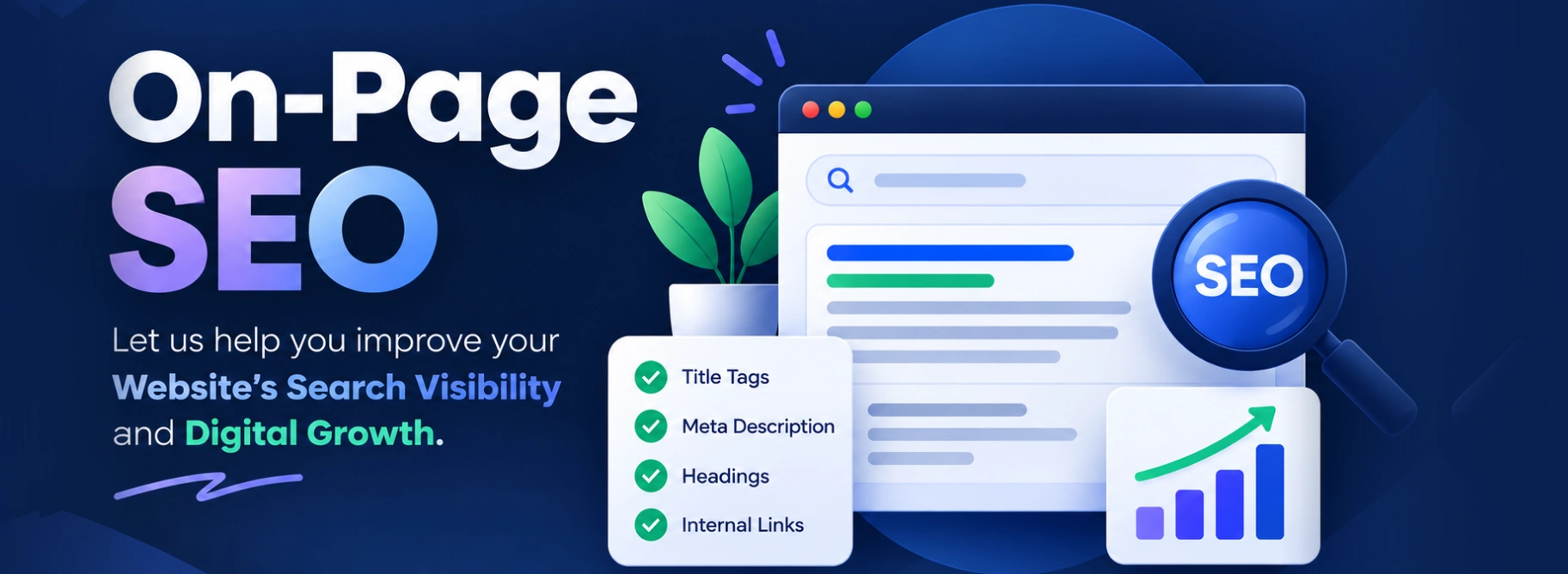
In 2027, a well-optimized website should do three things: answer users' questions clearly, provide a smooth browsing experience, and help search engines understand what each page offers. From writing compelling title tags to improving page speed and organizing content effectively, every detail can strengthen your on-page SEO strategy.
As search engines get better at understanding user intent, evaluating content quality, and presenting answers directly in search results, businesses need smarter on-page SEO services. If you are looking for an expert team that understands what your website needs to improve organic visibility, you are in the right place.
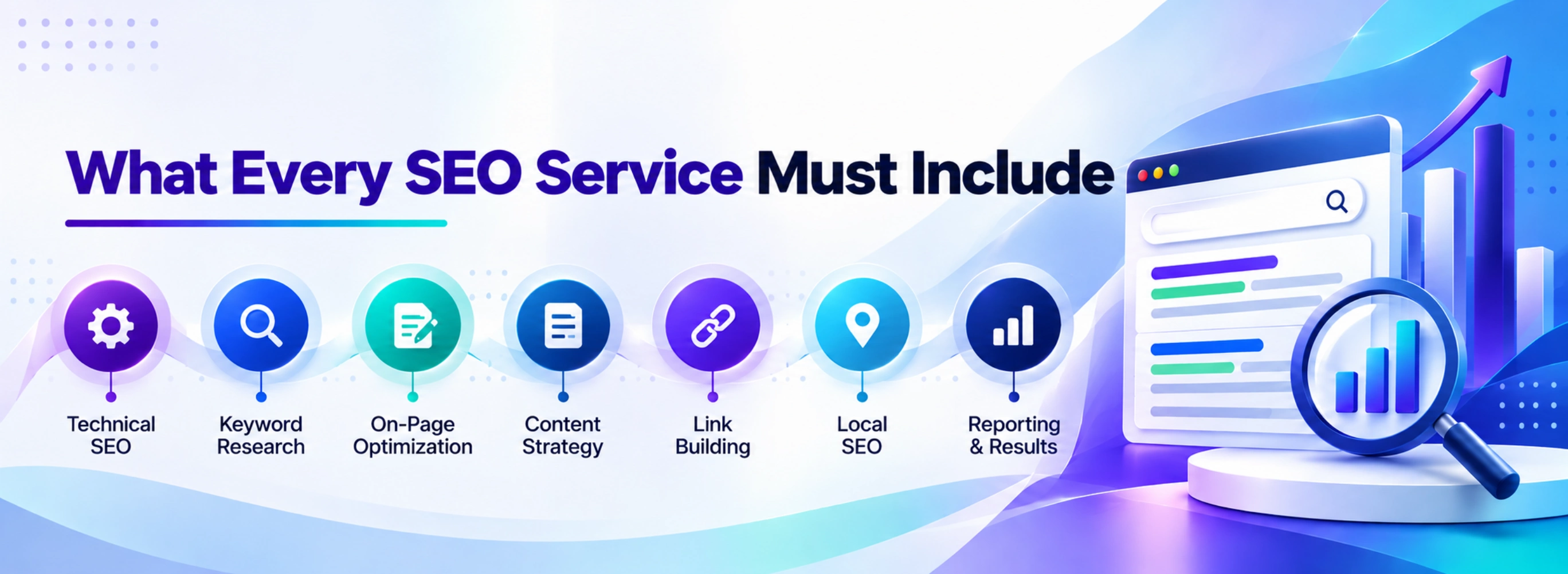
Aciano Technologies provides the best on-page SEO services tailored to your business needs. It can help your business build a stronger online presence, reach relevant audiences, and identify opportunities to improve organic visibility. This guide covers the essential on-page SEO practices that we are prioritizing for 2027.
Key Takeaways
- We create original, helpful content that matches your audience’s search intent.
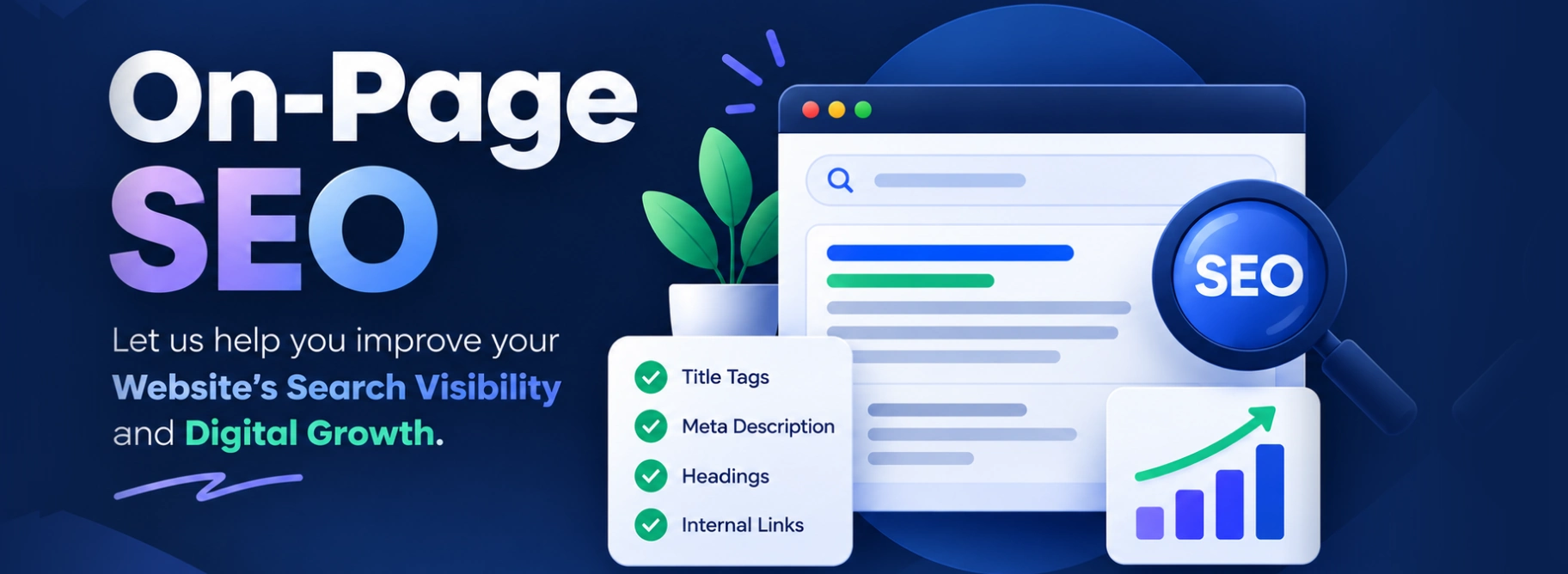
- Our on-page SEO experts optimize titles, meta descriptions, headings, URLs, and internal links.
- We improve page speed, mobile usability, accessibility, and user experience.
- We implement structured data to help search engines understand your website.
- Our content optimization services improve relevance, readability, and keyword targeting.
- We track on-page SEO performance and refine pages using real data.
- We leverage AI trends while prioritizing accuracy, trust, and human expertise.
What Is On-Page SEO, and Why Does It Matter in 2027?
On-page SEO involves optimizing individual webpages so search engines can understand their content, and users can find the information they need. It includes visible elements, such as headings and body copy, as well as technical details that influence how pages are presented and accessed.Think of on-page SEO as the way you present your website’s value. Your content provides the information, while your titles, headings, links, and markup help people and search engines understand it. Our professional on-page SEO services in USA help businesses optimize these elements to improve search visibility, attract relevant traffic, and support their online growth. We work with businesses across diverse markets, from Alabama and Illinois to Massachusetts, and other locations across the USA.
How AI Trends Are Changing Search Behavior
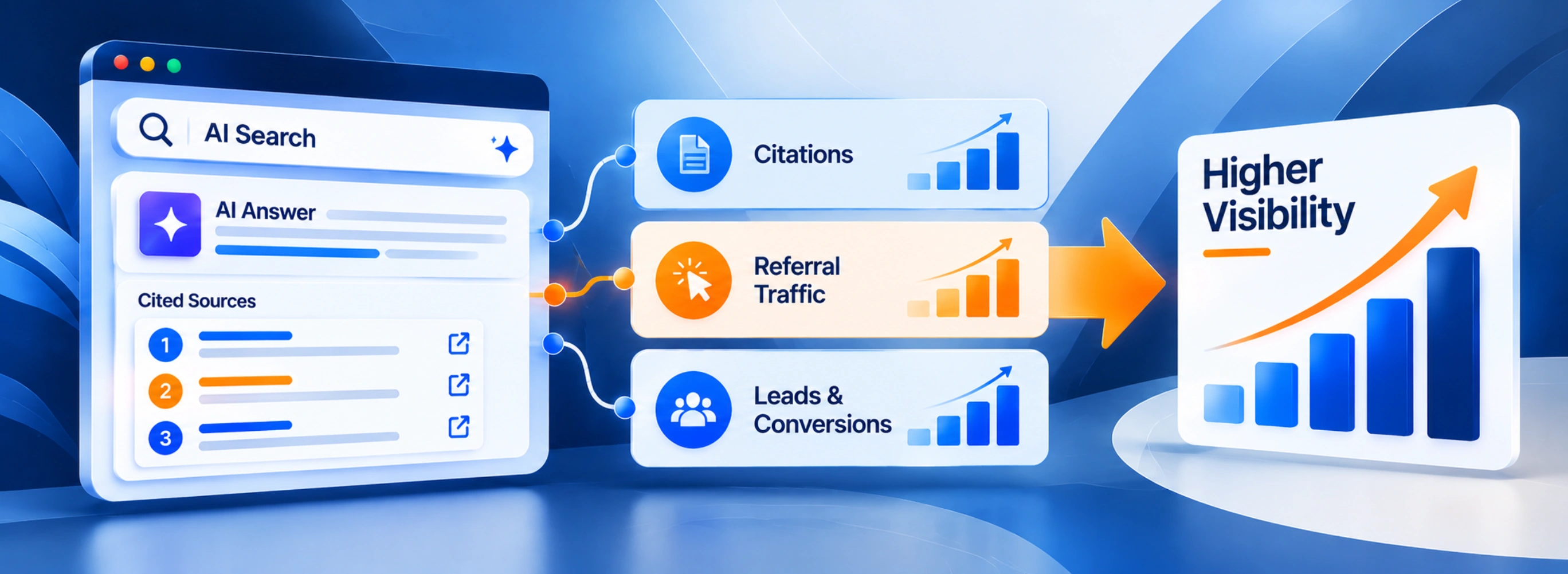
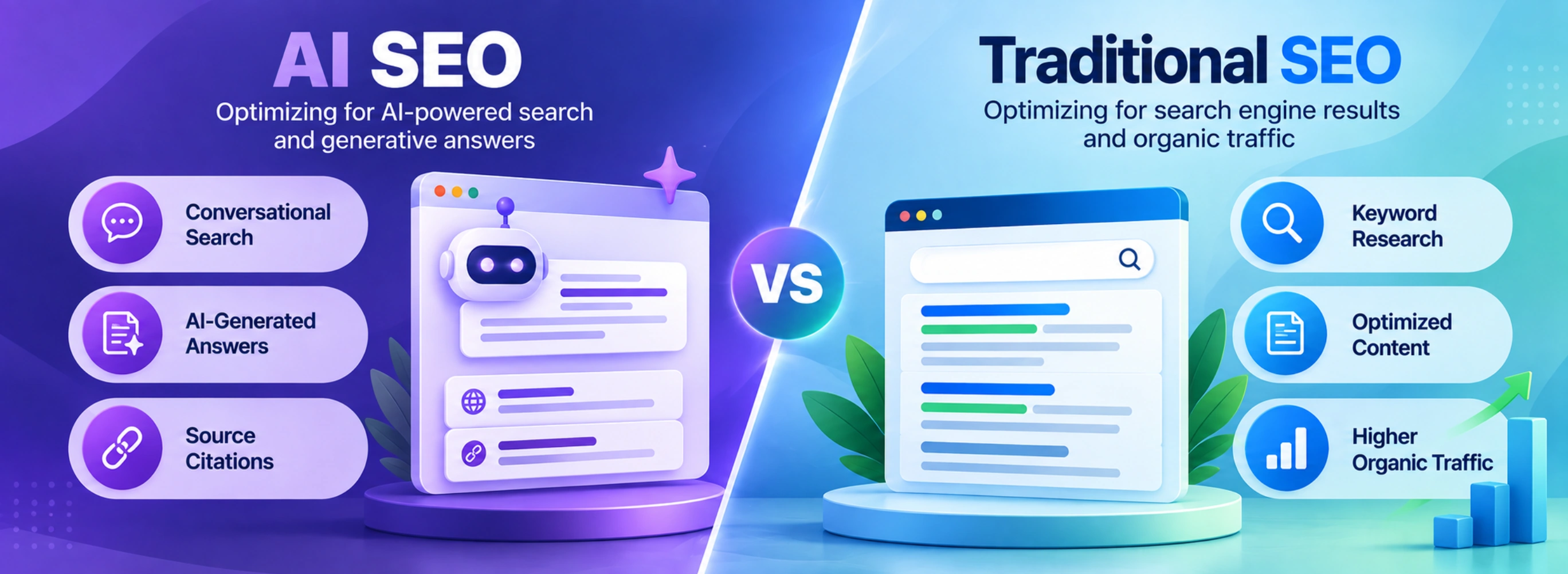
The biggest change we have seen in current AI trends is that search results now include summaries, conversational answers, and follow-up suggestions. Users get more information before they ever click, so the pages that earn clicks need to offer something a summary can't. The original data, real experience, a clear point of view, or a tool people can actually use.AI systems favor content that is cleanly structured. We do exactly that with clear headings, direct answers near the top of a section, and well-labeled data, which makes it easier for any system to quote you correctly.
The Complete On-Page SEO Checklist for 2027
Keyword Research Based on Search Intent
Keyword research is the foundation of effective on-page optimization, but choosing phrases with high search volume isn't enough. Our on-page SEO experts focus on understanding what people actually want when they search for a particular term. Search intent generally falls into four categories:- Informational: Users want to learn something.
- Navigational: Users want to find a specific website or brand.
- Commercial: Users compare products or services.
- Transactional: Users are ready to take action or make a purchase.
Compelling Title Tags
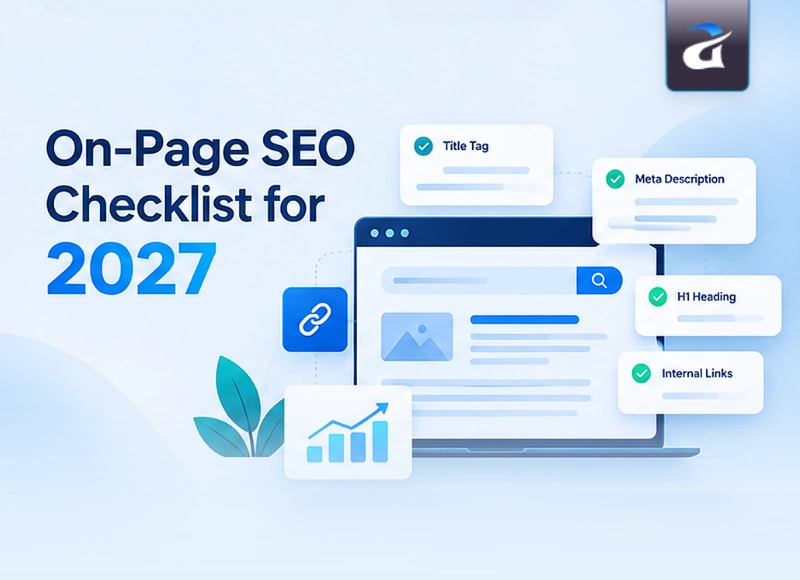
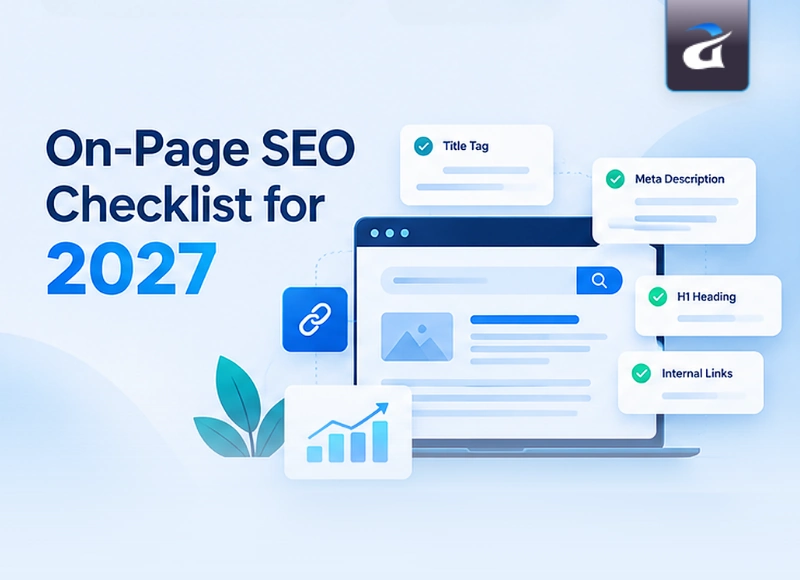
Our title tag helps search engines understand a page and gives potential visitors an idea of what they will find in search results. According to Google’s guidance on title links, Google also considers heading elements and other prominent text on the page, so we make sure your H1 and title tell the same story. We create concise, descriptive titles and place the primary keyword near the beginning when it reads naturally.For example, “On-Page SEO Checklist for 2027: 10 Fixes to Make This Month” promises something specific, while “On-Page SEO Tips and Tricks” offers little detail.
Useful Meta Descriptions
A meta description summarizes what a page offers. Search engines may use it to generate the snippet beneath a search result of title, although they can also select relevant text from the page itself. Google writes snippets from your page content and sometimes from your description, as explained in its documentation on controlling snippets. We write clear, engaging descriptions that highlight the page’s value and give readers a reason to visit.Headings to Guide the Reader
Your H1 should clearly state the page’s main topic. Use H2s for major sections and H3s for supporting details. When your headings tell a coherent story on their own, readers can navigate the page more easily.We structure content with descriptive headings and direct answers near the beginning of relevant sections. This helps readers find information quickly and makes the page structure easier for search engines to interpret.
A logical heading hierarchy improves readability and clarifies the relationships between topics. Rather than using an arbitrary number of headings, we organize each page according to its content and purpose.
Making Content Optimization a Priority
Content optimization means improving the relevance, clarity, usefulness, and presentation of your content. Generic pages that repeat what ten other sites already say are easy to replace. A page with a real example from your own work is much harder to copy.To improve your content, we do what is best:
- Answer the main question early in the article.
- Cover important subtopics and common reader concerns.
- Include practical examples, comparisons, or step-by-step instructions.
- Remove unnecessary repetition and outdated information.
- Support factual claims with trustworthy sources.
- Add original insights, experience, or useful observations.
- Use short paragraphs and clear transitions.
Optimizing Images and Adding Descriptive Alt Text
Images make a page more engaging, but large files and poorly described visuals can create problems for usability and performance. Search engines use image information to understand visual content. Google’s image best practices said to use descriptive filenames and alt text, and to place images near relevant text.We use relevant images that support the topic, compress files without noticeably reducing quality, and give image files descriptive names where practical. Informative images should have meaningful alt text that describes the actual image rather than simply listing keywords.
Creating User-Friendly URLs
A clear URL helps visitors understand where a page belongs and what it covers. We keep URLs concise and relevant, using words that explain the page’s topic, and avoiding unnecessary parameters. Google’s URL structure guidelines recommend simple, descriptive words, with hyphens separating them.For example:
- Unclear: example.com/page?id=4837
- Descriptive: example.com/onpage-seo-checklist/
Placing a Healthy Amount of Internal Links
A few well-placed internal links can help users discover relevant pages and make important content easier to find. We create a logical navigation structure that supports a smooth experience for visitors while helping search engine crawlers discover related content.A descriptive anchor text, such as “our guide to schema markup,” instead of generic phrases like “click here,” makes an impact. Our approach to internal linking focuses on clear navigation, relevant connections, and a better-organized website.
Technical Elements That Improve On-Page SEO
There are a few technical elements that live on the page that we need to keep track of. We pay attention to these details to help businesses maintain a site that is accessible and technically sound.Page Speed and Core Web Vitals
Visitors expect websites to load smoothly and respond quickly. A slow, cluttered, or hard-to-use page can frustrate visitors before they find the information they need.Core Web Vitals measure loading performance, responsiveness, and visual stability. We focus on practical improvements such as compressing images, limiting heavy scripts, using caching, and preventing layout shifts caused by late-loading ads or banners.
Structured Data and Schema Markup
Schema markup labels your content, so machines understand it: articles, products, FAQs, reviews, events, local businesses, and more. It can unlock rich results and help AI systems interpret your pages accurately.We help businesses identify relevant schema types, implement markups that accurately reflect visible page content, and validate it using tools such as Google’s Rich Results Test.
Review Website Development
On-page SEO and website development go hand in hand. Good on-page SEO is far easier when your site is built well. Smart website development means clean code, logical site architecture, fast hosting, secure HTTPS, editable title tags and meta fields, sensible URL structures, and templates that produce proper layouts.We recommend working closely with developers to ensure pages intended for search are not accidentally blocked. Review robots.txt files and relevant meta robot's directives, verify that your XML sitemap includes relevant, indexable pages, and check that canonical tags are consistent. Internal links should also point to the intended URLs.
Measure Results and Update Your Pages Regularly
On-page SEO requires ongoing attention. A page that performs well today may need updates as search behavior, competitors, products, or industry information changes. We review the following information:- Impressions: How often do your pages appear in search results.
- Clicks: How often people click through to your website.
- Click-through rate (CTR): The percentage of impressions that result in clicks.
- Indexing reports: Information about whether pages are indexed or experiencing indexing issues.
On-Page SEO Services for Digital Growth
On-page SEO in 2027 comes down to a simple idea, making pages that are easy for machines to understand and genuinely help people. The tools and AI trends will keep changing, but clear writing, honest expertise, fast pages, and tidy structure will keep paying off. If you want expert support, get in touch with the best SEO company in USA to explore how a tailored on-page SEO approach can support your website’s long-term growth.Primary Sources for Fact Check
- Influencing your title links in search results (Google Search Central)
- Control your snippets in search results (Google Search Central)
- Google image SEO best practices (Google Search Central)
- URL structure best practices for Google (Google Search Central)
Frequently Asked Questions
What is on-page SEO?
On-page SEO is the practice of optimizing the elements on your web pages, such as content, title tags, headings, images, internal links, and page speed, so search engines understand them, and people find them useful.
How often should we perform an on-page SEO audit?
A practical approach is to review important pages every few months and conduct a broader audit at least once or twice a year, depending on your website's size and industry.
Does AI-generated content hurt on-page SEO?
AI-generated content is not automatically harmful to SEO. What matters is whether the content is useful, reliable, original, and created to help users.
How long does it take to see results from on-page SEO changes?
Small changes like title tag fixes can show movement within a few weeks. Bigger content improvements often take two to four months, depending on competition and how often your site is crawling.
Do I need professional on-page SEO services, or can I do it myself?
Taking professional help is the smart move. To achieve consistent SEO results, you need time, expertise, and a well-planned strategy.