


















A well-designed website is important, but it's only part of the equation. To grow your business online, you need a strategy that brings the right visitors to your site. SEO and Google Ads are two of the most effective ways to do that.
The right approach isn't the same for every business. If you need leads quickly, one option may be a better fit. If you're thinking about long-term growth, another might deliver better value over time.
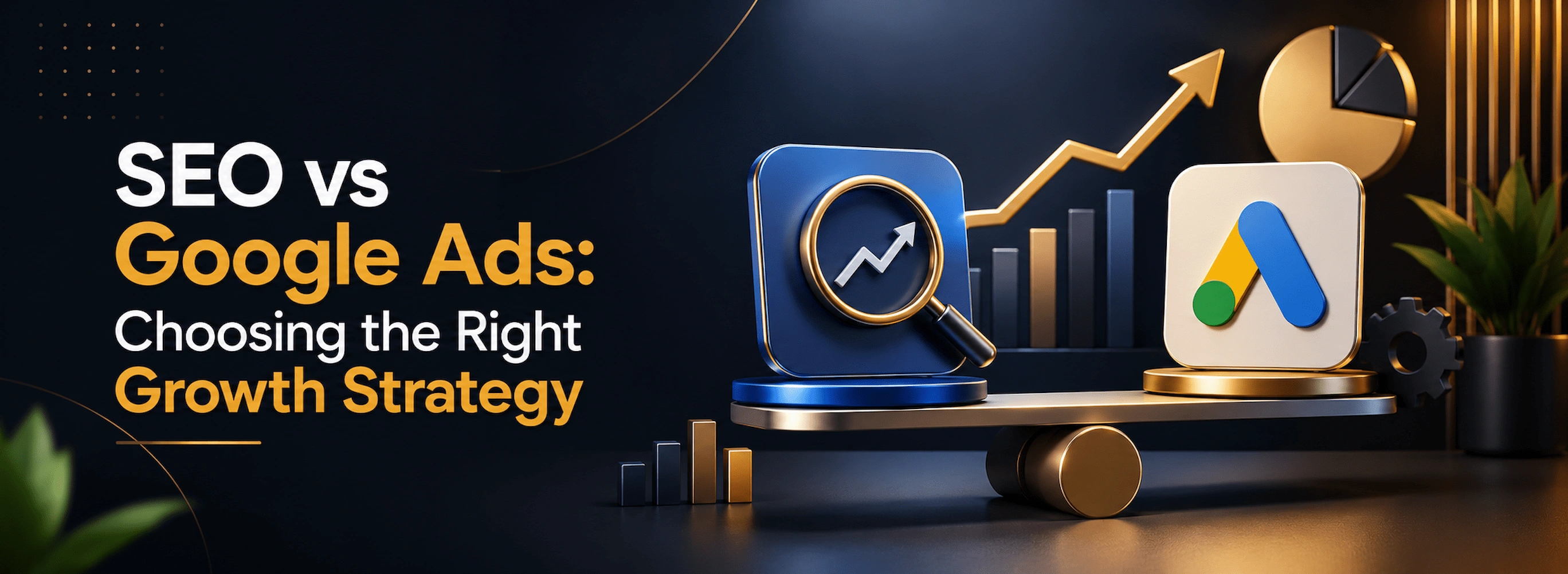
Which option is right for your business?
In this guide, we'll explain how SEO and Google Ads work, highlight the key differences between organic and paid search, and help you choose the approach that best fits your goals.
What Is SEO?
Search Engine Optimization (SEO) helps your website appear higher in search results without paying for ads. It involves creating helpful content, improving your website, and making it easier for search engines to understand what your business offers.
When people search for products or services related to your business, SEO increases your chances of appearing in the organic search results and attracting the right visitors.
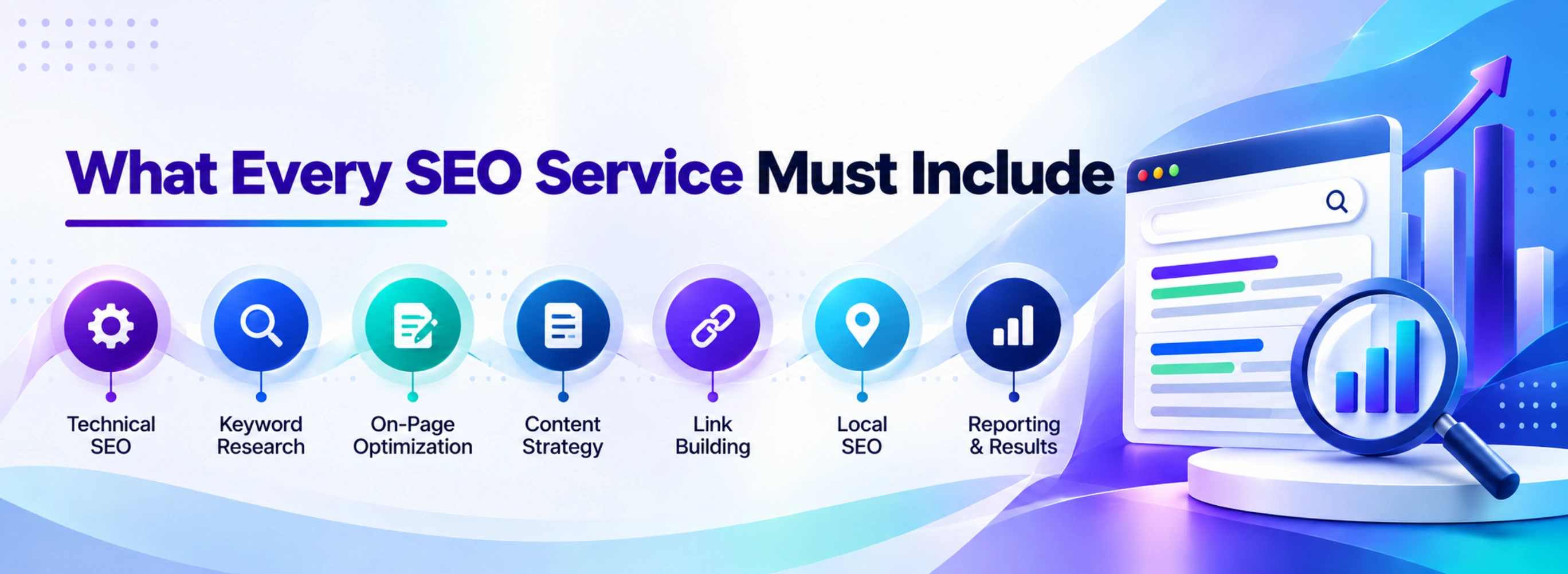
A strong SEO strategy usually includes:
- Keyword research
- High-quality content
- On-page optimization
- Technical SEO
- Link building
- Local SEO (if applicable)
SEO takes time, so don't expect instant results. As your website builds authority and starts ranking higher, it can bring in consistent traffic without the ongoing cost of paid ads
What Is Google Ad?
Google Ads is Google's advertising platform that helps businesses appear at the top of search results through paid search.
Instead of waiting for your website to rank naturally, you can advertise keywords related to your business. When people search for those keywords, your ad has a chance to appear before the organic results.
With the right Google Ads strategy, you can:
- Reach customers immediately
- Target specific locations
- Control your advertising budget
- Track every click and conversion
- Test different marketing campaigns
One of the biggest advantages of Google Ads is that it delivers results quickly. Your ads can start driving traffic and generating leads soon after your campaign goes live.
However, once you stop running your ads, the traffic usually stops too.
Difference Between SEO and Google Ads
Although both strategies help businesses attract customers through Google, they achieve this in different ways.
| SEO | Google Ads |
| Appears in organic search results | Appears in paid search results |
| Takes time to build rankings | Delivers immediate visibility |
| No cost per click | Pay for every click |
| Focuses on long-term growth | Best for short-term campaigns and quick results |
| Traffic can continue even without ongoing ad spend | Traffic stops when the campaign ends |
| Builds website authority over time | Increases visibility while ads are active |
| Requires ongoing optimization and content updates | Requires ongoing budget and campaign management |
Can SEO and Google Ads Work Together?
Absolutely.
One of the biggest misconceptions is that businesses have to choose between SEO and Google Ads. In reality, the strongest digital marketing strategies often combine both.
Using SEO and Google Ads together can help you:
- Increase your visibility in search results
- Generate short-term and long-term leads
- Learn which keywords convert best
- Reach customers at different stages of the buying journey
- Improve overall marketing performance
For example, while your SEO pages are climbing the search rankings, Google Ads can continue driving qualified traffic to your website. Once your pages begin ranking well, you can reduce your advertising budget for those keywords and invest it elsewhere.
This balanced approach gives your business both immediate results and long-term growth.
Comparison of SEO and Google Ads
Both strategies have strengths, and many successful businesses use them together instead of choosing one over the other.
| Feature | SEO | Google Ads |
| Results Timeline | Takes time but delivers long-term results | Delivers traffic and leads almost immediately |
| Traffic | Bring consistent organic search traffic over time | Generates traffic through paid search while campaigns are active |
| Cost | No cost per click, but requires ongoing optimization | Pay only when someone clicks your ad |
| Long-Term Value | Continuing driving traffic even after content is published | Traffic stops when your ad budget runs out |
| Trust & Credibility | Build trust by ranking naturally in search results | Provides visibility but may receive less trust than organic listings |
| Lead Generation | Best for steady, long-term lead generation | Ideal for fast lead generation and short-term campaigns |
| Targeting | Reaches users searching for relevant topics | Allows precise targeting by keywords, location, audience, and device |
| Website Improvements | Encourages better content, faster loading speeds, and improved user experience | Focuses on driving traffic rather than improving the website itself |
| Best For | Businesses focused on long-term growth and brand authority | Businesses looking for quick visibility, promotions, or immediate sales |
Which Strategy Is Best for Your Business?
There's no one-size-fits-all answer. The best approach depends on your business goals, budget, and industry.
Small Businesses
Many small businesses benefit from using both strategies. Google Ads can bring in leads right away, while SEO builds long-term visibility and reduces future advertising costs.
Local Businesses
Local service providers, such as plumbers, dentists, restaurants, and real estate agencies, often see great results by combining local SEO with Google Ads for high-value keywords.
E-commerce Stores
Online stores can use Google Ads to promote seasonal sales and popular products while investing in SEO to rank product pages and buying guides in organic search.
B2B Companies
Businesses with longer sales cycles usually benefit from SEO because buyers spend time researching before making a decision. Educational content, case studies, and industry resources can help build trust throughout the buying process.
Expert Tips for Better Results
Whether you choose SEO, Google Ads, or both, these best practices can help you get more from your marketing budget.
Focus on User Intent
Choose keywords that match what your target audience is actually searching for, not just those with high search volume.
Improve Your Landing Pages
Make sure your landing pages load quickly, clearly explain your offer, and encourage visitors to take action.
Track Your Results
Monitor your performance using tools like Google Analytics and Google Search Console to see what's working and where you can improve.
Frequently Asked Questions
Is SEO better than Google Ads?
It depends on your goals. SEO is best for long-term growth, while Google Ads is ideal for getting quick traffic and leads.
Can I use SEO and Google Ads together?
Yes. Using both can help you get immediate results with Google Ads while building long-term growth through SEO.
How long does SEO take to show results?
Most businesses start seeing results within 3 to 6 months, although it can take longer in competitive industries.
Is Google Ads worth it for small businesses?
Yes. When managed well, Google Ads can help small businesses reach the right audience and generate quality leads.
Which is more cost-effective: SEO or Google Ads?
Google Ads delivers fast results but requires ongoing spending. SEO takes longer but often provides better value over time.